Driving and mobility support after workplace injury
When a workplace injury affects someone’s ability to drive, access a vehicle or move safely and independently, working out the right assessment and next step can become complicated.
Williams OT supports ReturnToWorkSA, EnABLE, claims managers and rehabilitation teams with driving assessment and rehabilitation, vehicle modification, wheelchair and home modification needs.
Driving & vehicle mobility
Wheelchair & seating
Home modifications
Established 2011
Supporting ReturnToWorkSA referrals including matters managed through EML, Gallagher Bassett and ReturnToWorkSA’s serious injury pathway.
What has changed for your worker?
You don’t need to determine the occupational therapy solution before making a referral. Start with what has changed.
Returning to driving
The worker wants to resume driving following injury and their physical, cognitive or functional abilities need assessment.
Driving is affecting return to work
Driving ability, endurance, confidence or functional capacity is creating a barrier to employment or work-related travel.
Driving has become unsafe or difficult
Injury-related changes are affecting vehicle control, observation, processing or other driving demands.
The vehicle may need modification
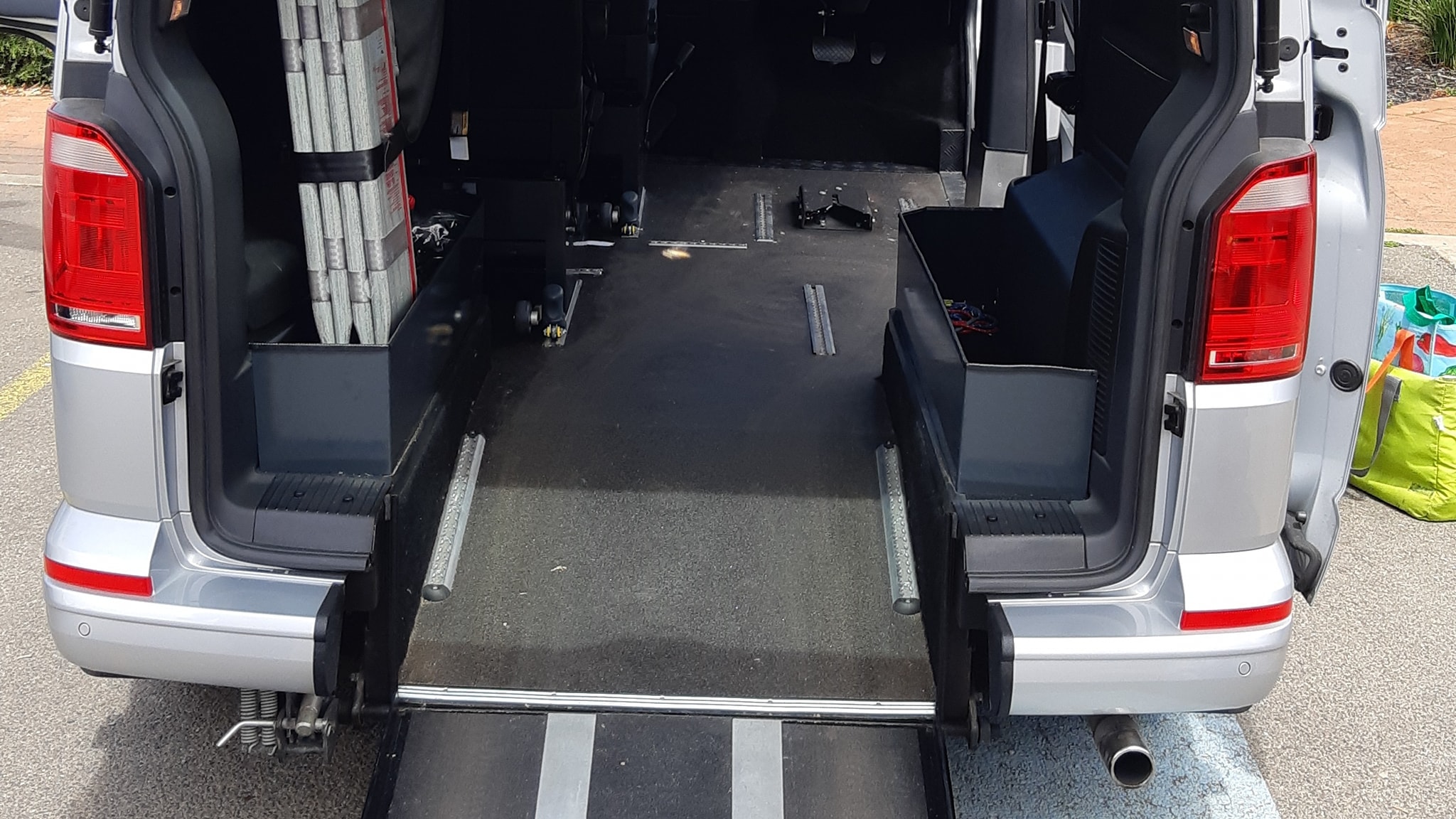
The worker may require driving controls, transfer assistance, vehicle access or equipment transport solutions.
Wheelchair or seating needs have changed
New or changing physical needs require assessment of mobility, seating or wheelchair equipment.
The home environment is creating barriers
Access, transfers or daily function within the home have changed following injury.
Not sure where to start?
Tell us what is happening. Our team can help identify the appropriate assessment pathway.
When injury changes driving, the pathway can involve much more than one assessment
Driving has been a central area of Williams OT’s practice since the organisation was established in 2011.
Depending on the worker’s needs, the pathway may involve occupational therapy driver assessment, on-road assessment, rehabilitation, modified driving instruction, vehicle modification assessment, equipment trials and training.
Keeping these stages connected can reduce unnecessary handovers and give the worker, claims manager and treating team greater continuity throughout the process.
Here is our three-step plan:
STEP 1
We assess
We assess the person’s driving and mobility needs, trial equipment where appropriate, and provide clear recommendations and reporting.
STEP 2
We implement the pathway
Where appropriate and approved, we coordinate rehabilitation, equipment trials and the vehicle modification pathway.
STEP 3
We support the next step
We support the person to work towards safe driving, or identify an alternative mobility pathway where driving is not appropriate.
Driving can be part of returning to work
Returning to work is not always only about what happens inside the workplace.
For some workers, driving is how they get to work, travel between work locations, perform employment duties or maintain the independence required to participate in everyday life.
Where injury has changed a worker’s ability to drive or access transport, Williams OT can assess the functional problem and help identify an appropriate mobility pathway.
More than a driving assessment

ReturnToWorkSA claims
For referrals involving workers whose claims are managed through EML, Gallagher Bassett or self-insured employers.
Relevant services may include:
- driver assessment
- driver rehabilitation
- vehicle modification assessment
- mobility and equipment assessment
- home and environmental assessment

EnABLE and serious injury
For people with severe traumatic workplace injuries whose needs may involve long-term or complex mobility and independence.
Relevant services may include:
- complex driver assessment and rehabilitation
- vehicle modification assessment
- driving equipment trials
- wheelchair and seating
- home modification assessment
- integrated mobility planning across environments
Complex and Serious Injury
When mobility needs cross the car, wheelchair and home
A severe injury rarely affects only one environment.
A person may require a wheelchair at home, a different transfer method to enter a vehicle, modifications to travel safely, and assessment of whether returning to driving is possible.
Williams OT can bring those interconnected mobility questions together within one organisation.
Driving & Vehicle Modification
Driver assessment
Driving rehabilitation
Vehicle access
Driving controls
Equipment trials
Vehicle modification recommendations
Wheelchair & Seating
Wheelchair assessment
Complex seating
Powered mobility
Transport considerations
Equipment trials
Home Modification
Functional assessment
Access and transfers
Environmental barriers
Modification recommendations
Coordination with relevant suppliers and builders
The value is not simply that Williams OT offers three services. It is that those services can be considered together when the person’s mobility needs overlap.
Why refer to Williams OT?
Driving since 2011
Driving assessment and rehabilitation has been a central area of Williams OT’s practice since the organisation was established.
One mobility pathway
Driving, vehicle modification, wheelchair and home modification services can be coordinated within the one organisation where appropriate.
Complex mobility experience
Our clinicians work with physical, cognitive and environmental factors that can affect driving and mobility following injury.
Clear communication
We aim to provide referrers with clear recommendations, next steps and a point of contact throughout the referral pathway.
What should I include with the referral?
- worker’s full name and contact details
- claim number
- claims agent or EnABLE contact
- claims manager/contact details
- injury and relevant medical information
- current functional concerns
- reason for referral
- specific question you would like Williams OT to address
- relevant medical or allied health reports
- funding approval where already available
Don’t have everything yet?
Contact us and we can advise what is needed to get started.